Posted on

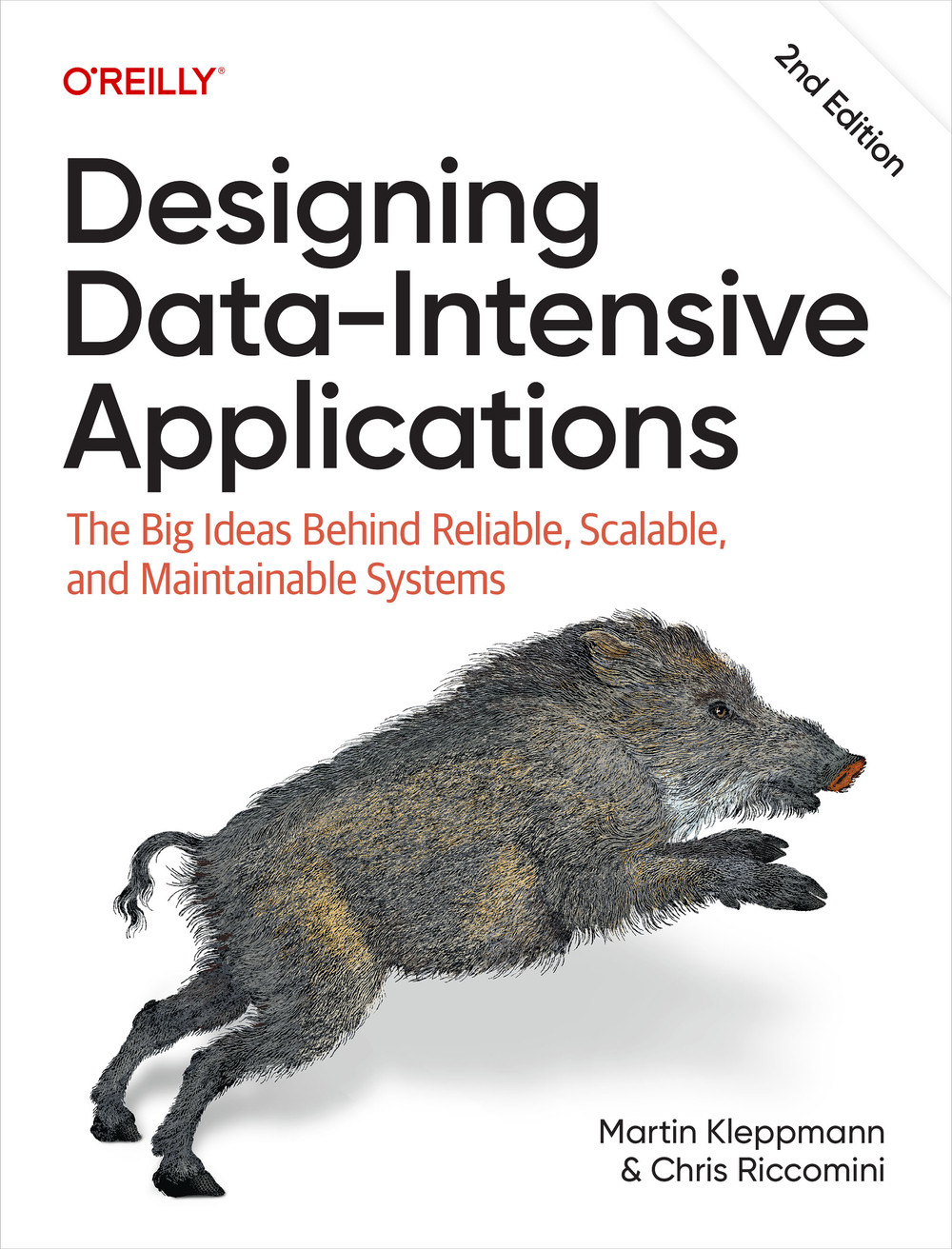
Designing Data-Intensive Applications, 2nd Edition

Copyright © 2026 Martin Kleppmann and Chris Riccomini. All rights reserved.

ISBN: 978-1-098-11906-5

[GitHub] https://github.com/ept/ddia2-references

Data is at the center of many challenges in system design today. Difficult issues such as scalability, consistency, reliability, efficiency, and maintainability need to be resolved. In addition, there’s an overwhelming variety of systems, including relational databases, NoSQL datastores, data warehouses, and data lakes. There are cloud services, on-premises services, and embedded databases. What are the right choices for your application? How do you make sense of all these buzzwords?

In this second edition, authors Martin Kleppmann and Chris Riccomini build on the foundation laid in the acclaimed first edition, integrating new technologies and emerging trends. You’ll be guided through the maze of decisions and trade-offs involved in building a modern data system, learn how to choose the right tools for your needs, and understand the fundamentals of distributed systems.

  • Peer under the hood of the systems you already use, and learn to use them more effectively
  • Make informed decisions by identifying the strengths and weaknesses of different tools
  • Learn how major cloud services are designed for scalability, fault tolerance, and consistency
  • Understand the core principles upon which modern databases are built
Posted on

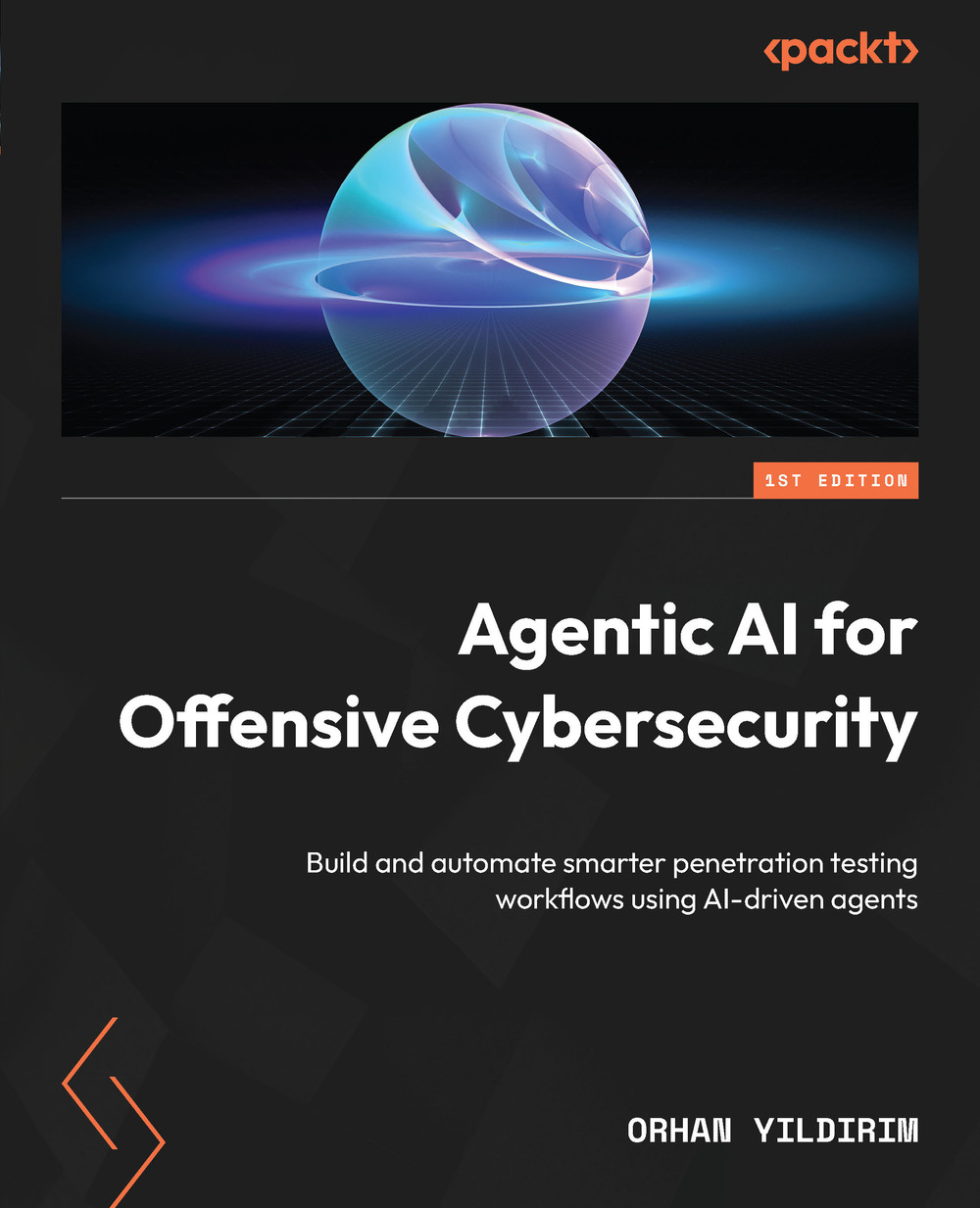
Agentic AI for Offensive Cybersecurity

Copyright © 2026 Packt Publishing

ISBN: 978-1-80611-447-4

Master offensive security with Agentic AI, MCP, and n8n. Build automated penetration testing workflows for reconnaissance, exploitation, reporting, and continuous threat intelligence.

Key Features

  • Build end-to-end agentic AI-driven penetration testing workflows using n8n and Model Context Protocol(MCP).
  • Automate reconnaissance, exploitation, payload generation, and professional vulnerability reporting with agentic AI agents.
  • Design browser-based security testing tools with MCP, and integrate continuous threat intelligence into your offensive workflows.

Book Description

AI agents have moved from demos to practical tooling, especially for offensive security work where repeatability and context matter. This book shows you how to apply agentic AI to real penetration testing automation, keeping a human in the loop while speeding up reconnaissance, validation, and reporting.

You’ll build end-to-end workflows with n8n for reconnaissance automation, attack surface management, and repeatable testing tasks such as port scanning and PCI segmentation testing. You’ll also create browser-based security testing tools using the Model Context Protocol (MCP), enabling LLM-powered agents to coordinate tooling, manage context, and assist with vulnerability analysis and documentation.

The focus is hands-on practice, as you’ll assemble practical offensive workflows for web application testing, exploitation support, and professional pentest reporting, then extend your pipeline with threat intelligence automation, including agents that monitor CVE feeds and keep your testing aligned with emerging risk.

If you’re a penetration tester, red teamer, or security engineer looking to make assessments faster, more consistent, and easier to scale across engagements, this book gives you patterns that you can adapt to your environment.

What you will learn

  • Understand agentic AI principles for offensive security
  • Evaluate and select AI frameworks for security automation
  • Build your first AI-driven recon workflow using n8n
  • Automate attack surface discovery and port scanning with AI
  • Design PCI segmentation testing workflows with n8n
  • Build web app testing tools using MCP
  • Automate exploitation, payload generation, and reporting
  • Create threat intelligence agents that monitor CVE feeds

Who this book is for

This book is perfect for cybersecurity professionals, penetration testers, red teamers, CISOs, and security managers. If you’re aiming to understand how AI-driven automation can enhance offensive cybersecurity workflows and vulnerability management, you’ll find valuable insights and practical guidance here.

Posted on

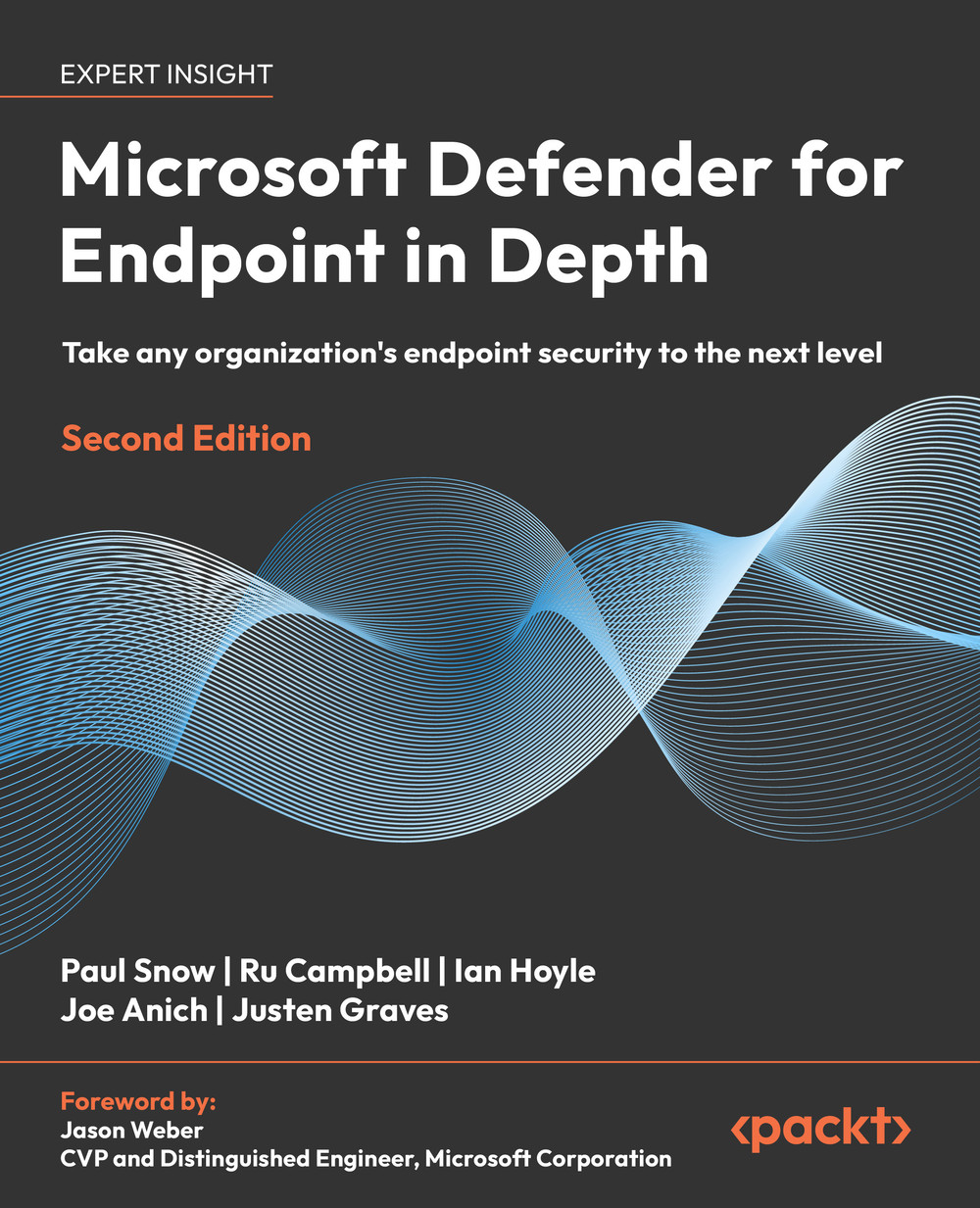
Microsoft Defender for Endpoint in Depth – Second Edition

Copyright © 2026 Packt Publishing

ISBN 978-1-83702-611-1

Gain an up-to-date, practical understanding of Microsoft Defender for Endpoint and learn how to run it reliably in real environments with this expert-led practitioner’s guide. Purchase of the print or Kindle book includes a free PDF eBook

Key Features

  • Understand and compare Defender endpoint security capabilities on all supported operating systems
  • Learn how to deal with complex deployment and configuration scenarios
  • Find new ways of tuning the product to your specific environment
  • Set yourself up for success by preparing for incidents with recommendations from seasoned professionals

Book Description

Modern organizations run on constantly changing endpoints, yet many teams still struggle to get the most out of Defender endpoint security. Coverage gaps, noisy detections, mixed platforms, and unclear device behavior often get in the way of effective prevention, detection, and response.

This second edition helps you tackle those challenges directly. Updated for today’s Defender endpoint security, and the broader Microsoft Defender ecosystem, it shows how MDE works across clients, servers, and now mobile devices, and how to align deployments with real-world constraints. New chapters on mobile threat defense, production rollout, and tuning provide practical guidance for moving beyond pilot environments, handling edge cases, and protecting critical and legacy assets.

Throughout, the book brings together IT and SecOps viewpoints to help you operate Defender for Endpoint with more clarity and less friction. You’ll learn how to maintain sensor health, interpret incidents confidently, reduce noise without weakening protection, and troubleshoot recurring issues.

Whether you’re refining an existing deployment or planning a new one, this edition gives you a clearer path to making Defender for Endpoint a reliable part of your security program.

What you will learn

  • Explore the current Defender for Endpoint architecture and capabilities
  • Clarify how next-gen protection, ASR, and EDR work together
  • Prepare a deployment plan that fits your estate, risk, and existing tools
  • Roll out Defender for Endpoint to production in staged, testable phases
  • Protect mobile devices using Defender for Endpoint and MTD
  • Tune alerts, exclusions, and policies for different scenarios and assets
  • Support SecOps investigations using incidents, hunting, and device data
  • Diagnose common health, connectivity, and performance issues in live estates

Who this book is for

This book is for cybersecurity professionals, security engineers, incident responders, endpoint administrators, and IT pros who are responsible for planning, deploying, or operating Microsoft Defender for Endpoint. It assumes a basic understanding of systems management, endpoint security, security baselines, and networking. Returning readers get updated, real-world guidance plus new coverage of mobile devices, production rollouts, and tuning. New readers get a structured introduction from core concepts to deployment, operations, and troubleshooting.
Posted on

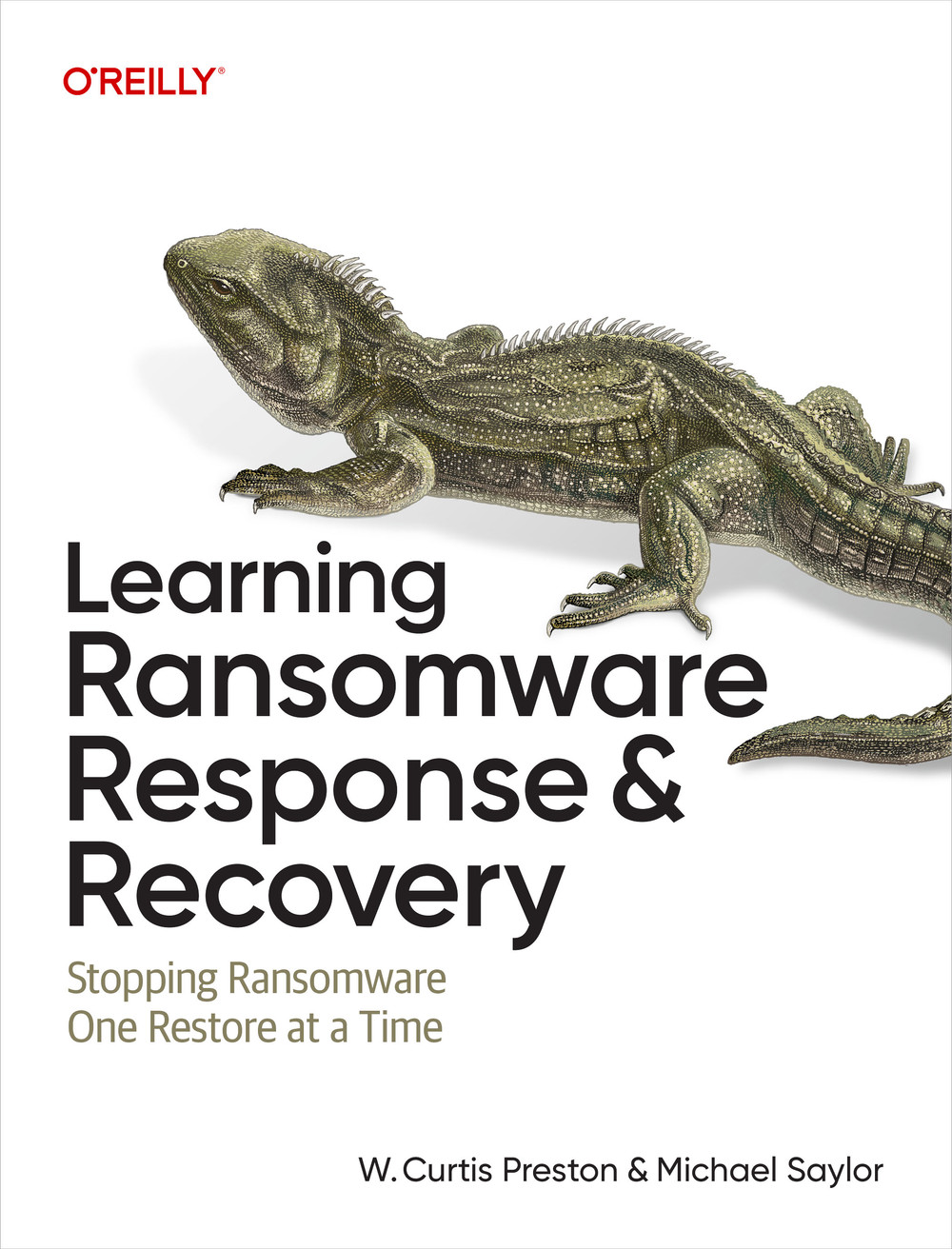
Learning Ransomware Response & Recovery

Copyright © 2026 W. Curtis Preston and Michael Saylor. All rights reserved.

ISBN: 978-1-098-16958-9

Ransomware attacks are no longer a question of if—they’re a matter of when. With hackers increasingly targeting backup and disaster recovery (DR) systems, organizations need more than prevention strategies; they need a battle-tested plan for minimizing damage, forensically determining what’s happened, and restoring their environment without paying the ransom. Renowned experts W. Curtis Preston and Dr. Mike Saylor offer a comprehensive guide to protecting critical systems and responding effectively when the worst happens.

Whether you’re a security professional who’s unaware of how exposed your backup systems are or a backup admin in need of stronger security expertise, this book is your essential road map. With actionable advice, clear frameworks, and step-by-step guidance, it bridges the gap between data protection and cybersecurity—empowering teams to deliver decisive, effective responses when faced with ransomware.

  • Prevent 90% of ransomware attacks with practical, simple steps
  • Shield your backup systems from also being a victim of the attack
  • Minimize the blast radius of attacks on your infrastructure
  • Identify, isolate, and restore compromised systems with confidence
  • Develop and test a detailed incident response plan