Posted on

Secure By Design

Security by design is a proactive approach to building systems, software, and devices with security in mind from the very beginning of the design process. It’s about making security an integral part of the foundation, rather than an afterthought or something that’s bolted on later.  

Here’s what that means in practice:

  • Considering threats from the outset: Instead of reacting to vulnerabilities after they’re discovered, security by design involves anticipating potential threats and weaknesses during the planning and design phases.  
  • Building in security controls: This means incorporating security measures like authentication, authorization, encryption, and access controls directly into the system’s architecture and code.  
  • Minimizing attack surface: Security by design aims to reduce the number of potential entry points for attackers, making it harder for them to exploit vulnerabilities.  
  • Defense in depth: Implementing multiple layers of security so that if one layer fails, others are still in place to protect the system.  
  • Secure defaults: Setting default configurations to the most secure options, so users are protected even if they don’t actively configure security settings.  
  • Continuous improvement: Security by design is an ongoing process that involves regularly evaluating and updating security measures to stay ahead of evolving threats.  

Why is security by design important?

  • More effective security: Building security in from the start is more effective and less costly than trying to add it later.  
  • Reduced vulnerabilities: Proactive security measures can prevent many vulnerabilities from ever being introduced.  
  • Stronger protection: Systems designed with security in mind are better equipped to withstand attacks and protect sensitive data.  
  • Increased trust: Security by design demonstrates a commitment to security, which can build trust with users and customers.  

Security by design principles:

While specific implementations vary, some common principles guide security by design:

  • Principle of least privilege: Granting users and processes only the minimum necessary permissions to perform their tasks.  
  • Separation of duties: Dividing sensitive tasks among multiple individuals to prevent any single person from having too much control.  
  • Fail-safe defaults: Designing systems so that they fail in a secure state, rather than an insecure one.
  • Economy of mechanism: Keeping security mechanisms simple and easy to understand, which makes them easier to implement and maintain.  
  • Complete mediation: Ensuring that every access request is checked against security rules.  

Security by design in different contexts:

Security by design is applicable to a wide range of areas, including:

  • Software development: Writing secure code, using secure libraries, and implementing secure development practices.
  • Hardware design: Building devices with secure boot processes, tamper-resistant features, and strong authentication mechanisms.
  • Network security: Designing networks with firewalls, intrusion detection systems, and secure protocols.  
  • Cloud security: Implementing security measures to protect data and applications in cloud environments.  

By embracing security by design, organizations can create systems and products that are more secure, resilient, and trustworthy.

Related

https://www.cisa.gov/securebydesign

Reference

(2025, February 3). In Google Gemini 2.0 Flash.

Posted on

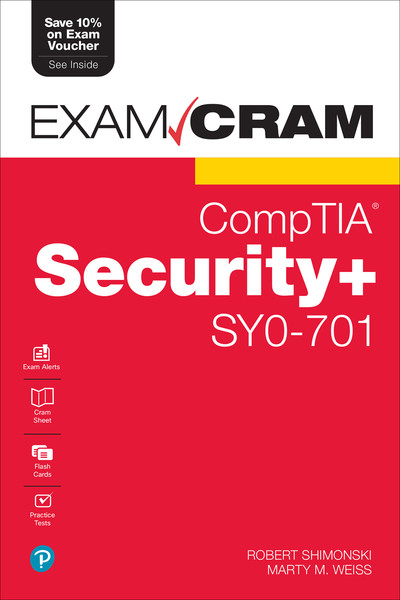
CompTIA Security+ SY0-701 Exam Cram, 7th Edition

book cover

Copyright © 2025 by Pearson Education, Inc.

ISBN-13: 978-0-13-822557-5
ISBN-10: 0-13-822557-5

CompTIA Security+ SY0-701 Exam Cram is an all-inclusive study guide designed to help you pass the updated version of the CompTIA Security+ exam. Prepare for test day success with complete coverage of exam objectives and topics, plus hundreds of realistic practice questions. Extensive prep tools include quizzes, Exam Alerts, and our essential last-minute review Cram Sheet. The powerful Pearson Test Prep practice software provides real-time assessment and feedback with two complete exams.

Covers the critical information needed to score higher on your Security+ SY0-701 exam!

  • General security concepts
  • Threats, vulnerabilities, and mitigations
  • Security architecture
  • Security operations
  • Security program management and oversight

Prepare for your exam with Pearson Test Prep

  • Realistic practice questions and answers
  • Comprehensive reporting and feedback
  • Customized testing in study, practice exam, or flash card modes
  • Complete coverage of CompTIA Security+ SY0-701 exam objectives
Posted on

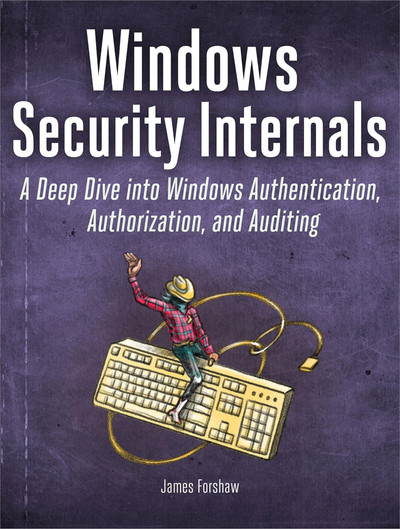
Windows Security Internals

book cover

Copyright © 2024 by James Forshaw

ISBN-13: 978-1-7185-0198-0 (print)
ISBN-13: 978-1-7185-0199-7 (ebook)

Windows Security Internals is a must-have for anyone needing to understand the Windows operating system’s low-level implementations, whether to discover new vulnerabilities or protect against known ones. Developers, devops, and security researchers will all find unparalleled insight into the operating system’s key elements and weaknesses, surpassing even Microsoft’s official documentation.

Author James Forshaw teaches through meticulously crafted PowerShell examples that can be experimented with and modified, covering everything from basic resource security analysis to advanced techniques like using network authentication. The examples will help you actively test and manipulate system behaviors, learn how Windows secures files and the registry, re-create from scratch how the system grants access to a resource, learn how Windows implements authentication both locally and over a network, and much more.

You’ll also explore a wide range of topics, such as:

  • Windows security architecture, including both the kernel and user-mode applications
  • The Windows Security Reference Monitor (SRM), including access tokens, querying and setting a resource’s security descriptor, and access checking and auditing
  • Interactive Windows authentication and credential storage in the Security Account Manager (SAM) and Active Directory
  • Mechanisms of network authentication protocols, including NTLM and Kerberos

In an era of sophisticated cyberattacks on Windows networks, mastering the operating system’s complex security mechanisms is more crucial than ever. Whether you’re defending against the latest cyber threats or delving into the intricacies of Windows security architecture, you’ll find Windows Security Internals indispensable in your efforts to navigate the complexities of today’s cybersecurity landscape.

Posted on

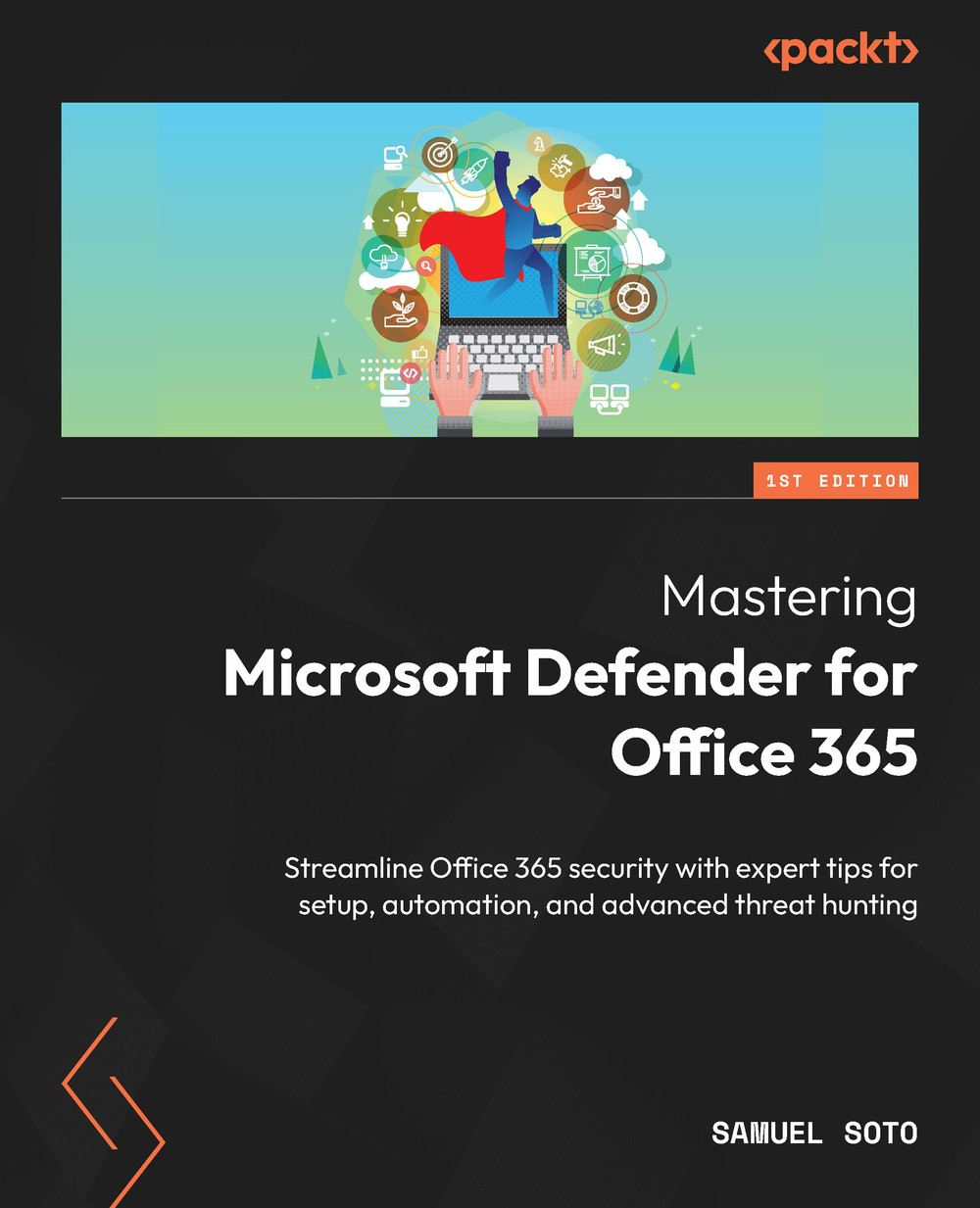
Mastering Microsoft Defender for Office 365

Copyright © 2024 Packt Publishing

ISBN: 978-1-83546-828-9

Mastering Microsoft Defender for Office 365 equips you with the expertise to secure your organization’s email and communications using advanced threat protection strategies. This guide delves into practical aspects of deploying, configuring, and leveraging Defender for Office 365 to confront and mitigate modern cybersecurity risks. By mastering its features, you’ll build a robust and automated defensive framework tailored to your organization’s needs.

What this Book will help me do

  • Plan and execute a tailored deployment strategy for Microsoft Defender for Office 365 to match organizational requirements.
  • Implement and optimize advanced threat hunting and automation to proactively address cybersecurity risks.
  • Strengthen your organization’s email security using specialized authentication and anti-phishing measures.
  • Design and conduct realistic attack simulations paired with user security awareness training.
  • Seamlessly integrate Defender for Office 365 with other security tools and APIs, enhancing your security posture.

Who is it for?

This book is perfect for IT professionals, cybersecurity consultants, and system administrators aiming to optimize organizational email and communication security. If you have a foundational grasp of cybersecurity and familiarity with Microsoft Office 365, this guide will help you elevate your skillset. Whether you’re preventing phishing attacks or enhancing broader threat detection capabilities, you’ll find valuable strategies and practical solutions in this resource.